
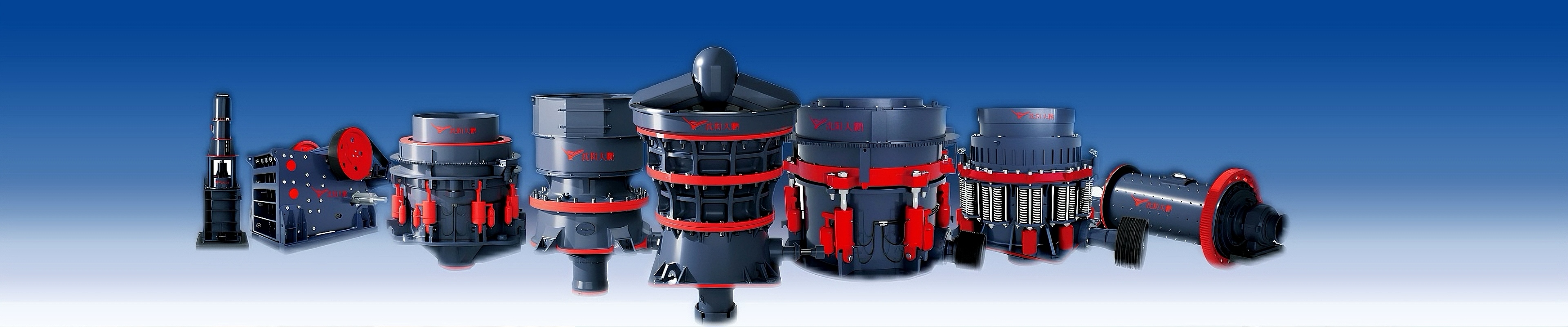
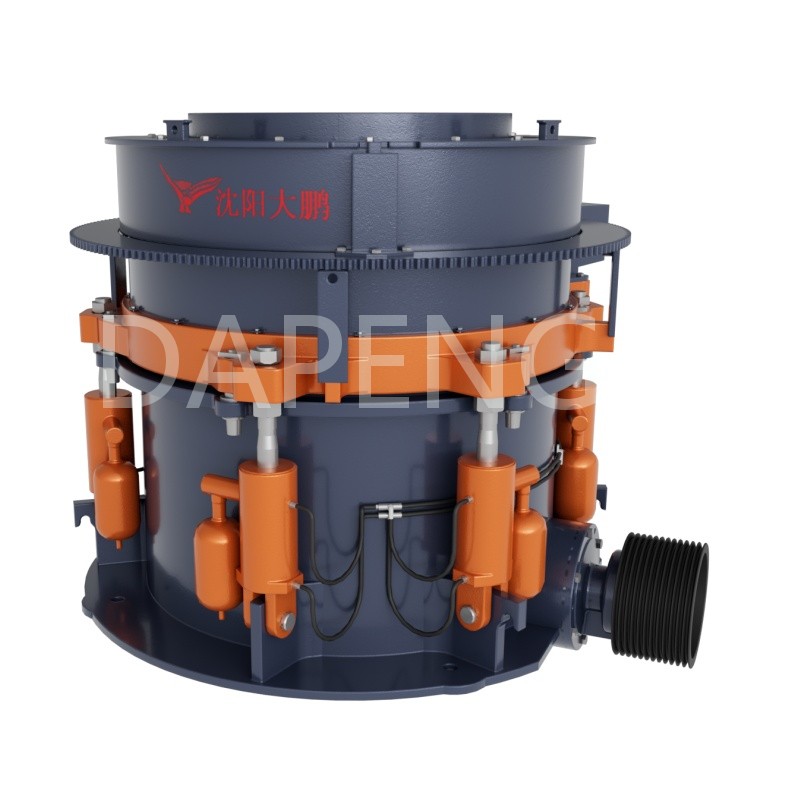
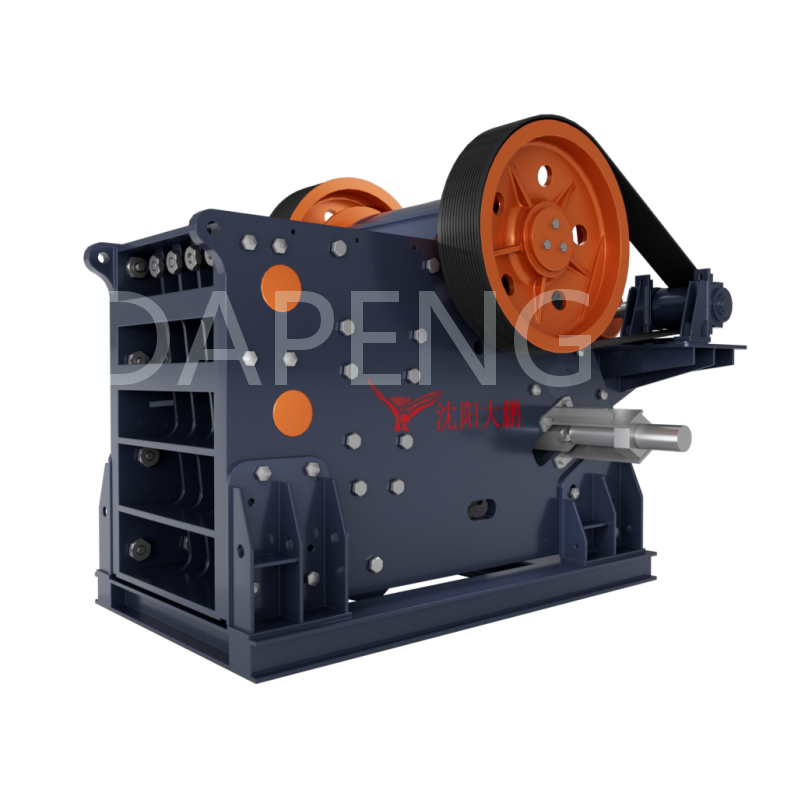
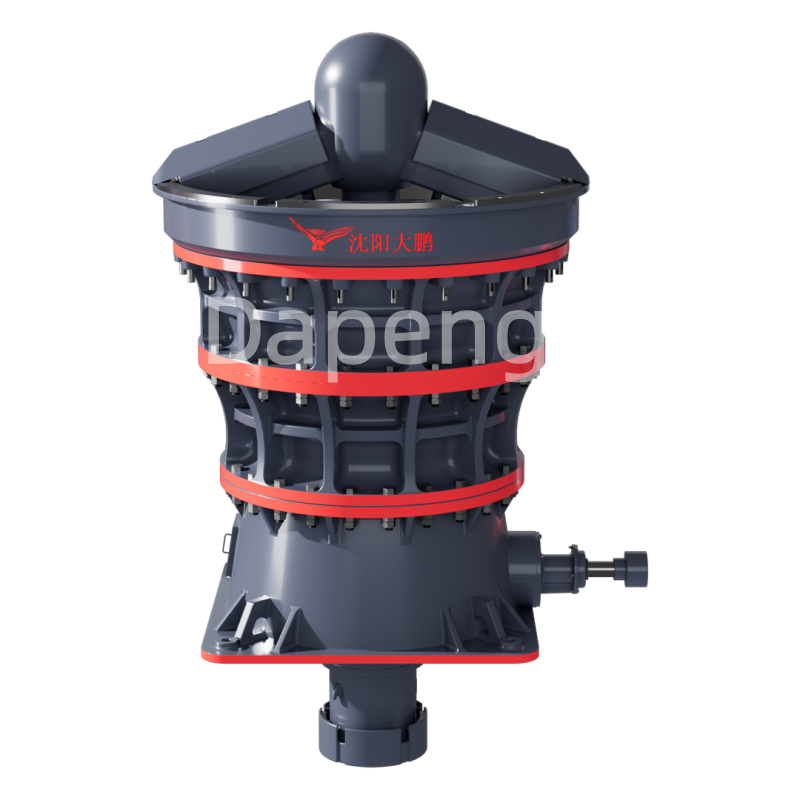
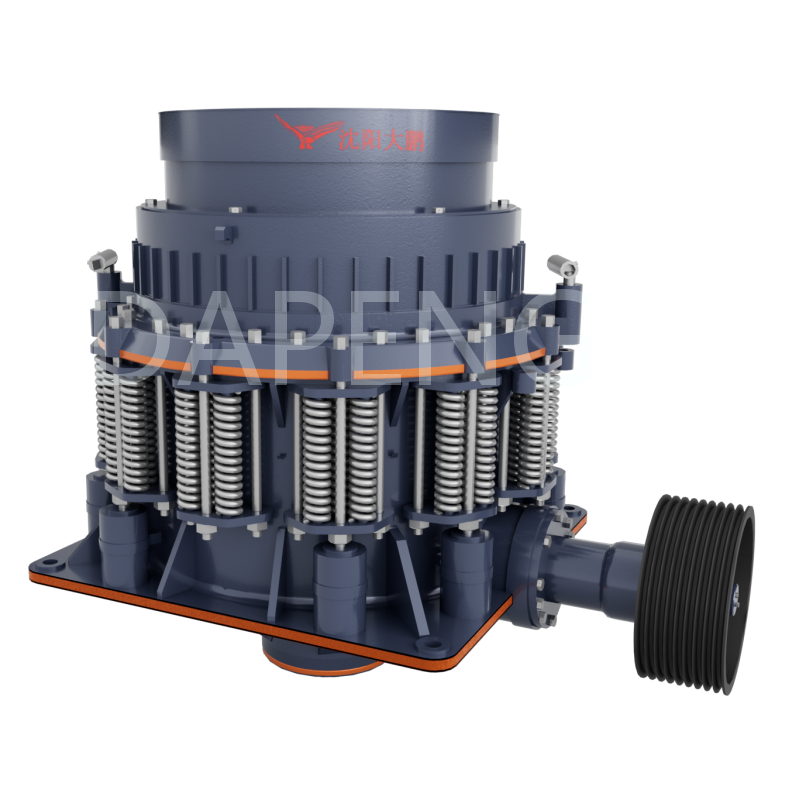
As German Chancellor Friedrich Merz concluded his official visit to China at the end of February, the trip has drawn wide attention from the international business community as a strategic “reawakening” across 7,500 kilometers. Accompanied by nearly 30 top executives from Germany's industrial giants, the visit focused on stabilizing bilateral relations, enhancing supply chain resilience, and expanding practical cooperation in advanced manufacturing, green transition, and heavy machinery (crusher in foreign trade) in manufacturing industry.
Against a complex global trade landscape, the improvement of China-Germany relations carries positive implications for the entire manufacturing industry, especially in capital-intensive sectors such as heavy machinery (crusher in foreign trade), mining equipment (crusher), and cross-border foreign trade. For many years, China and Germany have been major players in global industrial trade, with stable economic and trade cooperation serving as a ballast for broader China-Europe economic ties.
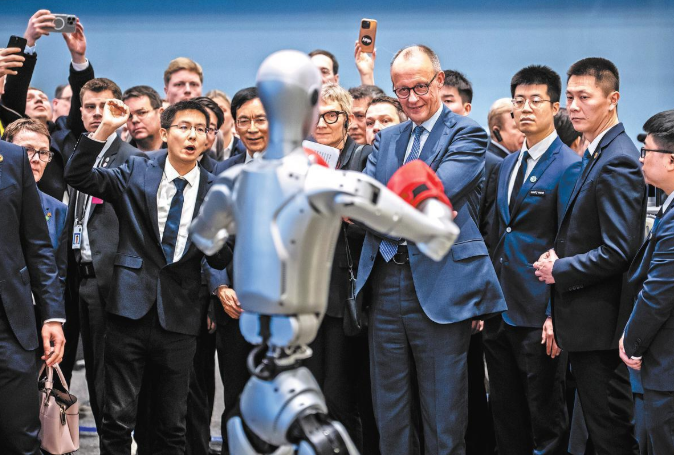
The renewed dialogue helps reduce uncertainty in global supply chains, which is critical for industries like heavy machinery (crusher in foreign trade) and industrial equipment (stone crusher). As infrastructure investment, mining development, and construction waste recycling expand in many regions, demand for reliable crushing, screening, and material processing solutions continues to grow. This trend supports steady development in the global market for stone crusher, crusher systems, mobile processing crusher plants, and complete aggregate production lines.
For enterprises engaged in foreign trade of heavy machinery (crusher in foreign trade), a more predictable policy environment and smoother logistics channels help lower operational risks and improve long-term planning capacity. As one of the key components of heavy machinery (mobile crusher and stone crusher), crusher and processing equipment in manufacturing industry rely heavily on stable cross-border transportation, clear certification standards, and transparent trade rules — all areas that benefit from improved high-level relations between major economies.
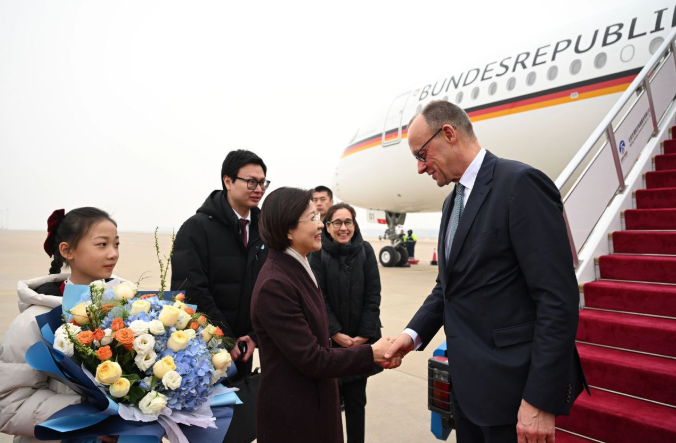
During the visit, German business leaders highlighted China's role as both a major market and an innovation hub for the manufacturing industry. Many German companies have maintained long-term investment and cooperation in China, recognizing the value of technological exchange and localized innovation. This mindset also supports the global upgrading of heavy machinery (mobile crusher and stationary crusher in foreign trade), where intelligence, energy efficiency, and digitalization have become major trends.
From stationary crushing plants to flexible track-mounted mobile units, crusher equipment has evolved into a highly integrated system that combines mechanical engineering, intelligent control, and environmental protection. As global demand for low-carbon development and construction waste recycling rises, the manufacturing industry continues to optimize product performance to meet stricter international requirements. This creates new growth points for heavy machinery (mobile crusher and stationary crusher in foreign trade) exports and cross-border foreign trade.
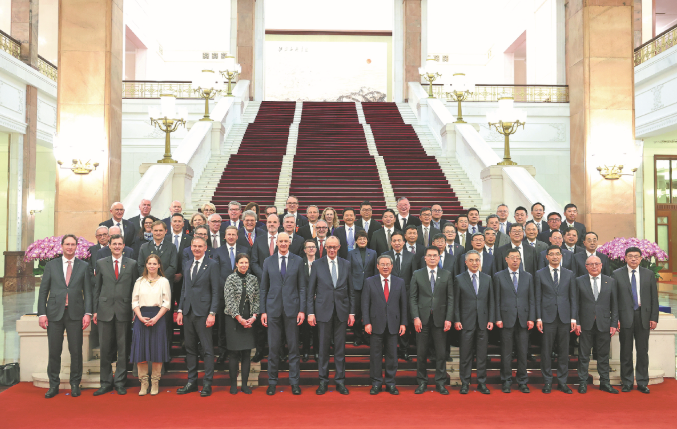
The China-Germany joint statement reaffirmed the principles of mutual respect, mutual benefit, and open dialogue, sending a positive signal to global industrial cooperation. For the heavy machinery (crusher in foreign trade) sector and related foreign trade activities, this means more stable market expectations, enhanced confidence in investment, and broader room for technological cooperation.
In the long run, stable and pragmatic cooperation between major manufacturing countries helps consolidate global supply chains and promote the healthy development of the manufacturing industry. As a key piece of industrial and infrastructure equipment, crusher and processing systems will continue to benefit from improved global trade relations and growing infrastructure demand worldwide.
Merz's visit to China has opened a new chapter in bilateral cooperation. While the immediate focus remains on automotive, high-tech, and green industries, the positive spillover effect will gradually extend to more industrial sectors, providing solid support for the stable development of heavy machinery (crusher in foreign trade), global foreign trade, and the entire manufacturing industry in the post-crisis global economy.
